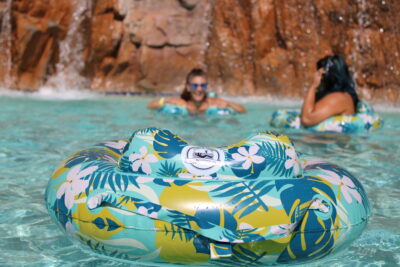

At the beach, you feel every bad design choice fast. A flimsy tube dumps your posture backward, a flat raft leaves your neck working overtime, and getting on or off the thing can be harder than it should be. A beach float with back support solves a very real problem – how to actually relax on the water without fighting your seat, your balance, or your body.
That matters more than most people expect. Beach water is rarely as calm and predictable as a backyard pool, and comfort gets tested quickly when you are dealing with chop, current, uneven footing, and long stretches of lounging. If your float does not support you well, the whole experience shifts from easy and weightless to awkward and tiring.
Why a beach float with back support changes the experience
Traditional inflatables are usually built for one thing: floating. That sounds obvious, but it leaves out the part most people actually care about, which is staying comfortable while they float. Support changes the whole feel of the ride because your body is not left to do all the stabilizing.
When your back is supported, your shoulders can drop, your neck is less strained, and your hips are less likely to slide into an uncomfortable angle. You are not constantly readjusting or bracing to stay in place. That is a big reason many people who love the water still end up cutting their floating time short – the water is relaxing, but the float is not.
There is also an access issue that does not get talked about enough. Plenty of adults, older beachgoers, caregivers, and people with physical limitations want the benefits of buoyant relaxation without the wrestling match that comes with a generic tube or pool lounger. A better-supported float can make entry, positioning, and short sessions in shallow water far more manageable under proper supervision.
What to look for in a beach float with back support
Not all support is created equal. Some floats add a raised section and call it lumbar support, but that does not mean the float will feel balanced or body-friendly once you are actually on the water.
The first thing to pay attention to is how the float distributes weight. Good support is not just a pillow behind your lower back. It should help cradle more of the upper body so you are not folding into the float or hanging off it. If your body settles naturally into a relaxed position, that is a strong sign the design is doing real work.
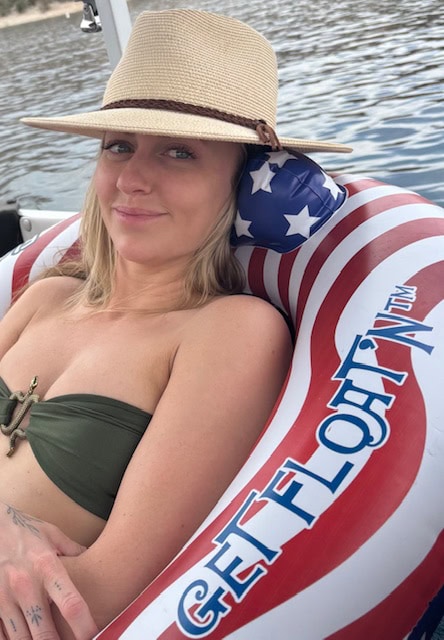
Head and neck positioning matter too. At the beach, many people want a float that lets them lean back, face the sun, chat with family, or simply stay still without tension building in the neck. A back-support design works best when it pairs spinal support with upper-body comfort. If your back is supported but your neck is craned forward or dropped too far back, the benefit is only partial.
Material quality matters more at the beach than in the pool. Sand, salt, sunscreen, heat, and repeated packing and unpacking all put extra stress on inflatables. Durable vinyl construction, reinforced seams, and dependable inflation are worth paying for if you want a float that survives more than one vacation.
Then there is stability. A beach float should feel supportive without feeling restrictive. Too upright, and it can feel rigid or tip-prone. Too flat, and the back support becomes mostly cosmetic. The sweet spot is a design that helps you feel held in place while still giving you that easy, zero-pressure sensation people want from a great float.
Comfort is personal, and that is where design really matters
Some people want to sit high and stay dry. Others want to settle lower into the water and cool off while still feeling supported. Neither preference is wrong. It depends on your body, your comfort level, and how you plan to use the float.
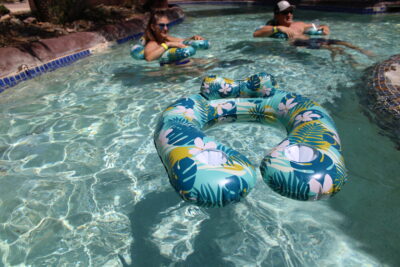
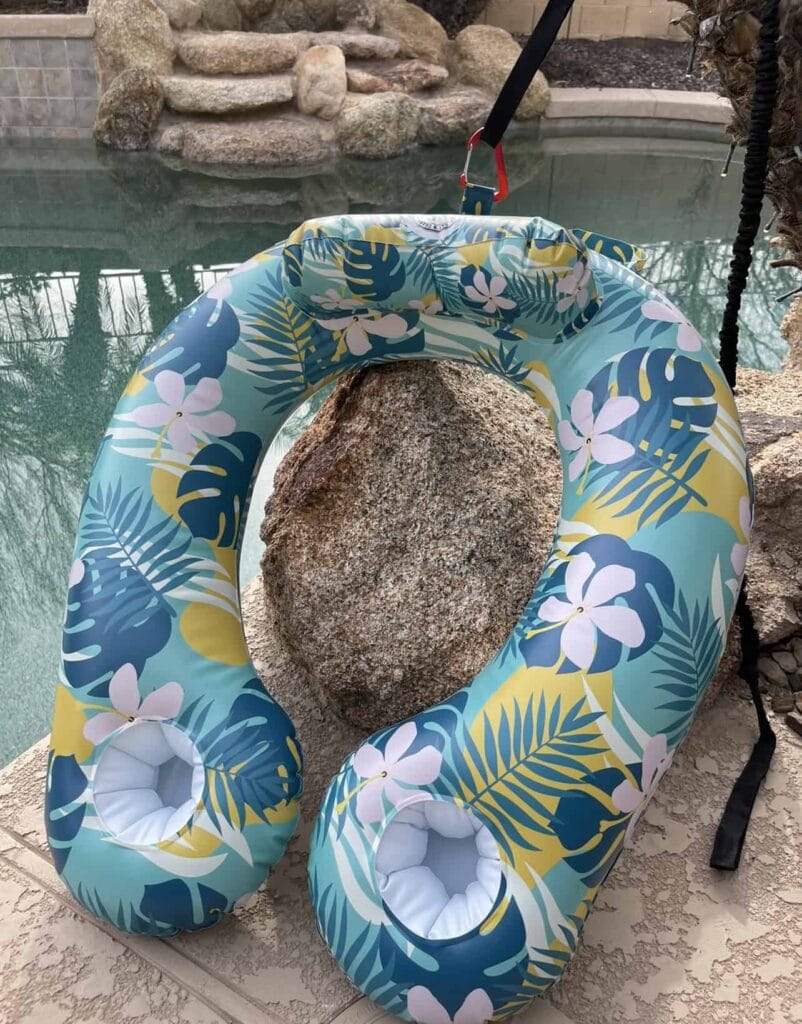
For beach use, a lower, more cradled position often feels more natural because it creates a secure, easygoing floating posture. It can also reduce that perched-on-top feeling that makes some loungers feel unstable. For many users, especially those who want stress relief or gentler movement, a flexible zero-gravity style design feels much better than a stiff, one-angle inflatable.
This is also where the gap between novelty floats and thoughtful floats gets obvious. A novelty float might look fun in pictures, but if it does not support your body well, the fun has a short shelf life. People remember how a float felt after 20 minutes, not how it looked for 20 seconds.
Who benefits most from back support at the beach
The easy answer is everyone, but some people feel the difference immediately. Adults who have outgrown cheap pool tubes usually notice it first. The same goes for people who deal with back tension, neck fatigue, or stiffness after travel and just want a truly comfortable afternoon in the water.
Families appreciate supportive floats because they are easier to recommend across age groups. A float that feels accessible to a younger adult, a parent, and a grandparent is doing something right. Gift buyers also tend to gravitate toward comfort-forward products because they feel more useful and less disposable.
Back support can be especially meaningful for older adults and people with limited mobility who still want to enjoy supervised time in shallow water. The right flotation design does not replace safety practices or caregiver judgment, but it can help make the experience less intimidating and more enjoyable. For some users, that is the difference between watching from shore and being able to participate.
Hospitality buyers and event planners have a practical interest here too. If you are choosing floating products for guests, branded experiences, or waterfront properties, comfort is not a bonus feature. It directly affects whether people use the product, talk about it, and remember it positively.
Beach conditions make support even more important
A float that works fine in a still pool can feel totally different in open water. At the beach, there is more movement under you and around you. You may be stepping in on an uneven bottom, adjusting to light wave action, or repositioning often as conditions change.
That is why supportive construction matters. A good beach float is not just designed to keep you afloat. It should help you stay comfortable through small shifts in motion. When your body is better supported, those little changes in the water feel less disruptive.
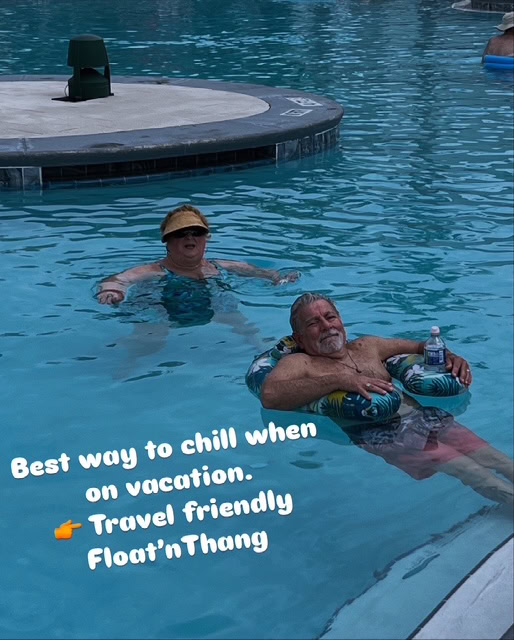
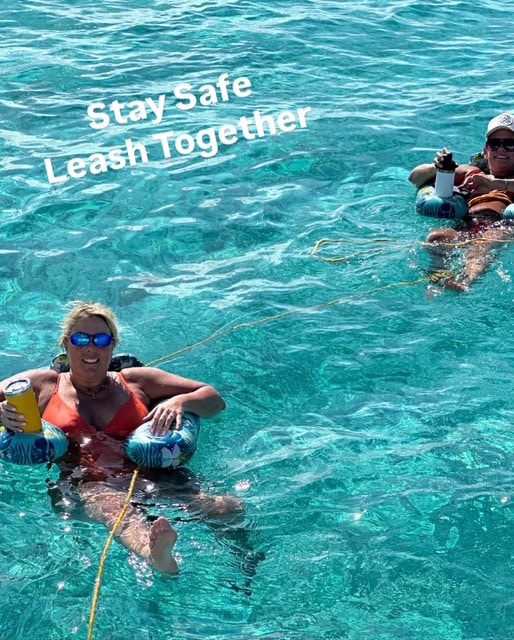
Ease of carrying and packing matters too. Beach gear adds up fast, so bulky products have a real downside. The best option is something that feels substantial in use but still practical to bring along for a lake day, sandbar trip, or vacation. Travel-friendliness should not come at the expense of actual comfort, but a strong design can absolutely do both.
The difference between floating for fun and floating for relief
For some people, a beach float is pure recreation. For others, it is one of the few ways they can feel physically at ease. That is where supportive flotation earns a different kind of respect.
Water naturally reduces pressure on the body, and a well-designed float can extend that benefit by helping maintain a more comfortable posture. Used appropriately and under supervision, supportive flotation can complement gentle movement, recovery-minded relaxation, and low-impact time in the water. It is not medical treatment by itself, but it can play a meaningful role in helping people enjoy water with less strain and more confidence.
That blend of fun and function is what separates a better float from a forgettable one. When a product can support family beach days, stress relief, travel, and therapy-oriented use cases, it becomes more than a seasonal extra. It becomes something people genuinely rely on.
Why thoughtful flotation stands out
The best beach products solve a problem you already know you have. You are tired of awkward inflatables. You want more comfort, easier access, better support, and a float that feels made for real people instead of idealized pool photos. That is exactly why a supportive design stands out.
FloatnThang built its approach around that idea – creating a more body-friendly, inclusive floating experience that feels comfortable, accessible, and genuinely enjoyable for a wider range of users. That kind of thinking matters because the future of water recreation is not just bigger floats or louder colors. It is better design for more people.
If you are choosing your next beach float, do not settle for something that only keeps you above water. Choose something that helps your body exhale the moment you lean back.