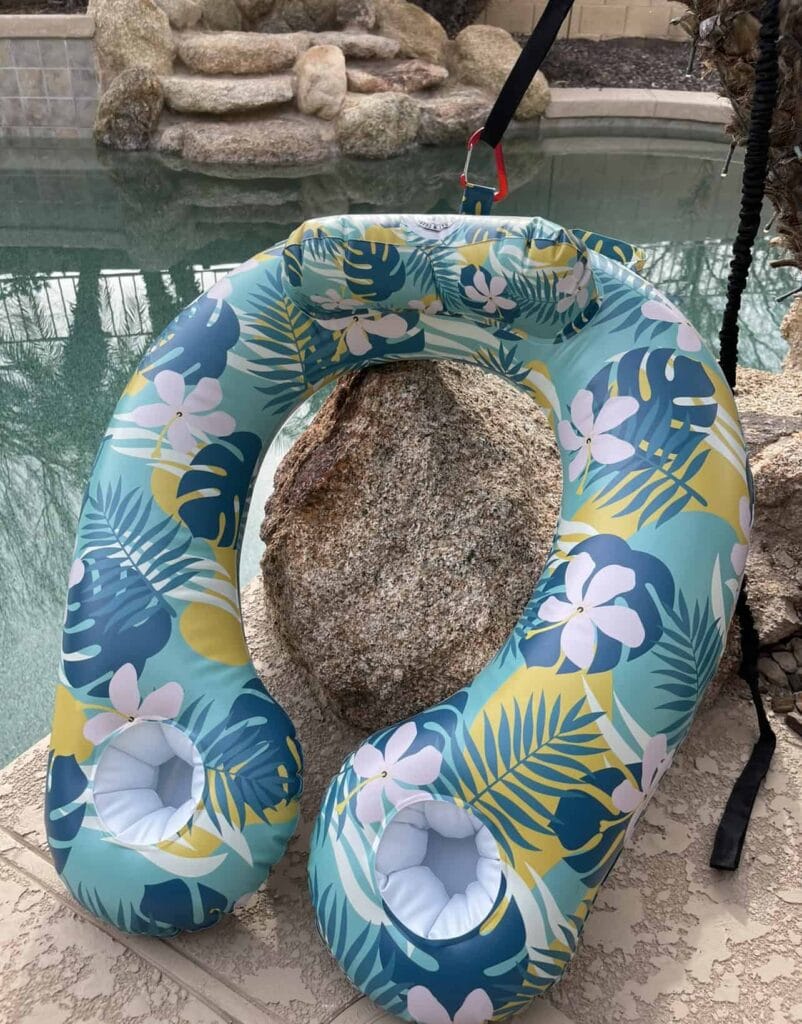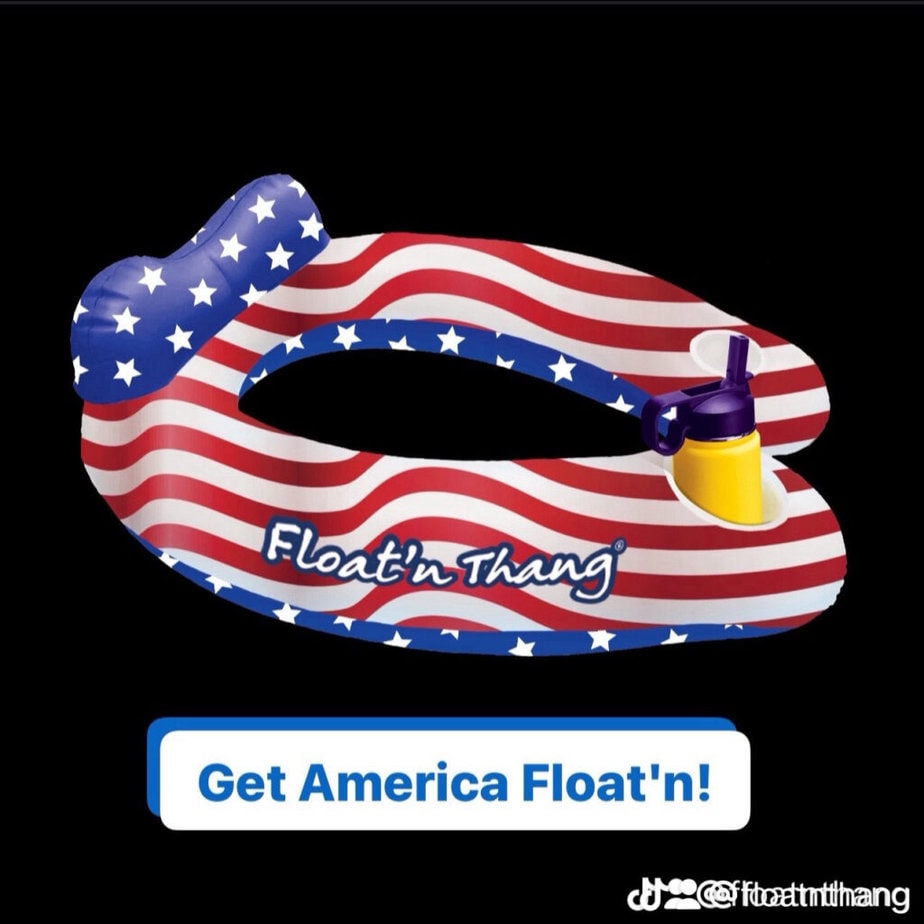
That moment when a basic pool tube starts digging into your back or tipping you sideways is usually when people realize adult floating support is not all the same. For many adults, the problem is not getting on the water. It is staying comfortable once you are there. A float can look fun on the shelf and still leave you adjusting, gripping, and cutting your relaxation short 15 minutes later.
The better question is not simply, “Will it float?” It is, “Will it support my body in a way that actually feels good?” That is where the right design changes everything. A well-made adult float should reduce pressure points, help your body settle into a natural position, and make it easier to enjoy the pool, lake, sandbar, or calm shoreline without constantly shifting around.
What adult floating support should actually do
A lot of inflatables are made for appearance first and comfort second. They may hold air just fine, but that does not mean they provide real support. Adults need more than a ring shape and a place to sit. They need body positioning that feels balanced, especially through the head, neck, shoulders, and lower back.
Good adult floating support helps distribute weight instead of concentrating it in one uncomfortable spot. It should also make entry and exit more manageable. This matters for anyone, but especially for older adults, people recovering from strain or injury, or anyone who wants a lower-effort float experience.
Support also changes how long you want to stay in the water. If a float lets your body relax instead of brace, the entire experience becomes more restorative. You are not fighting the float. You are resting into it.
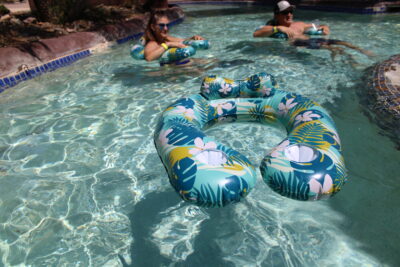
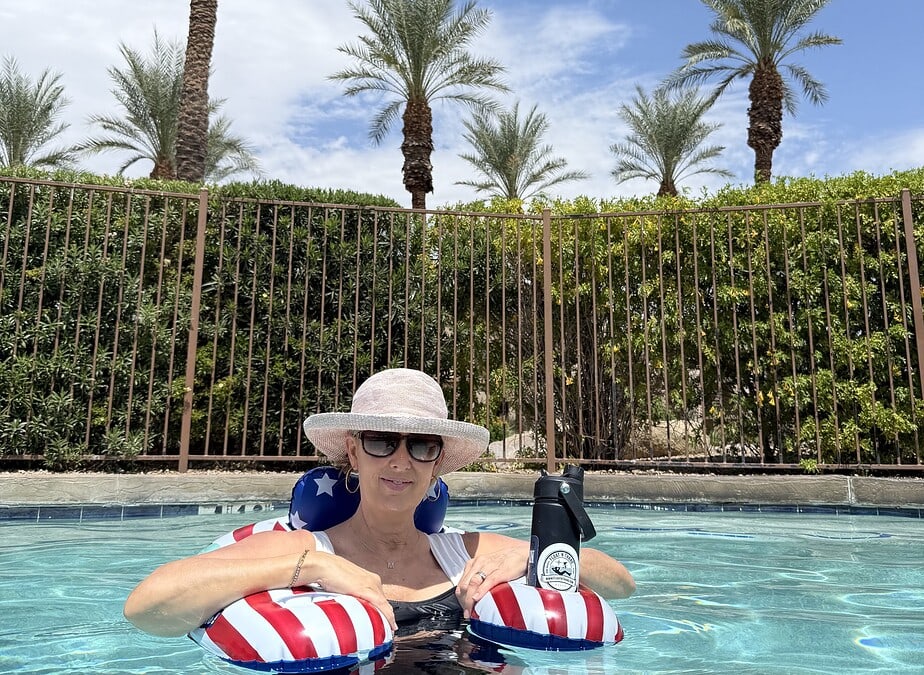
Sedona is the place to relax. She found the perfect float’n pillow by Float’n Thang
Why standard inflatables often fall short
Traditional tubes and bargain floats still have their place. They are easy to spot, easy to stack, and often inexpensive. But for many adults, they do not solve the real comfort issue.
The biggest problem is limited surface support. A tube supports one section of the body, while the rest has to adapt around it. That can leave your neck awkwardly tilted, your hips dipping too low, or your shoulders working harder than they should. What feels playful for a few minutes can start to feel tiring fast.
There is also the issue of access. Climbing into some inflatables is harder than people expect, particularly in shallow water or from the side of a pool. If getting settled feels clumsy, that is not a small detail. It changes whether someone uses the product regularly or leaves it deflated in the garage.
That is one reason more people are looking for adult floating support built around comfort and ease, not just buoyancy. There is a real difference between floating on the water and being supported in the water.
Adult floating support for relaxation and wellness
Floating is often treated like a simple leisure activity, but for many adults it is also a form of relief. Time in the water can take pressure off joints, encourage gentle movement, and create a calmer, less strained environment for the body. The right support makes that benefit easier to access.
For someone who spends long hours on their feet, a supportive float can feel like a reset. For someone managing stiffness or limited mobility, it can create a more inviting way to enjoy the water with less effort. Even for confident swimmers, there is something different about a float that allows the body to settle into a nearly weightless position.
This is where design matters more than gimmicks. Features like a supportive headrest, broader body contact, and stable positioning can turn a casual float into a more therapeutic-feeling experience. It is not a medical device, and expectations should stay realistic, but comfort-driven design can absolutely make water time feel more restorative.
What to look for in a better float
If you are comparing options, start with body support rather than color, cup holders, or novelty shape. Those extras can be nice, but they should not be the main event.
Look for a float that supports more than one part of the body at a time. A head and neck support area is especially valuable if you want to relax without craning forward. A broader structure can also help prevent that unstable feeling some floats create when your weight shifts slightly.
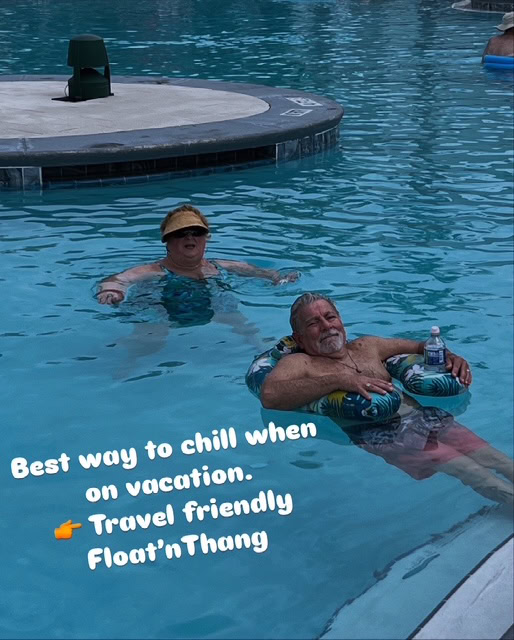
Material quality matters too. Durable construction helps a float feel more secure and hold up better through repeated use, travel, and storage. If you plan to bring it to lakes, beaches, or sandbars, you want something that is practical to carry and simple to inflate and deflate.
Then there is ease of entry. This gets overlooked until the first use. A float can be very comfortable once you are in it, but if the process of getting in and out is awkward, it may not be the right fit for your needs.
Where adult floating support makes the biggest difference
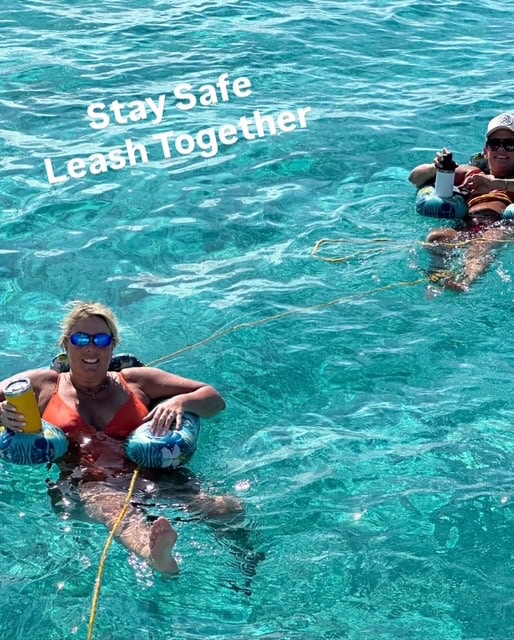
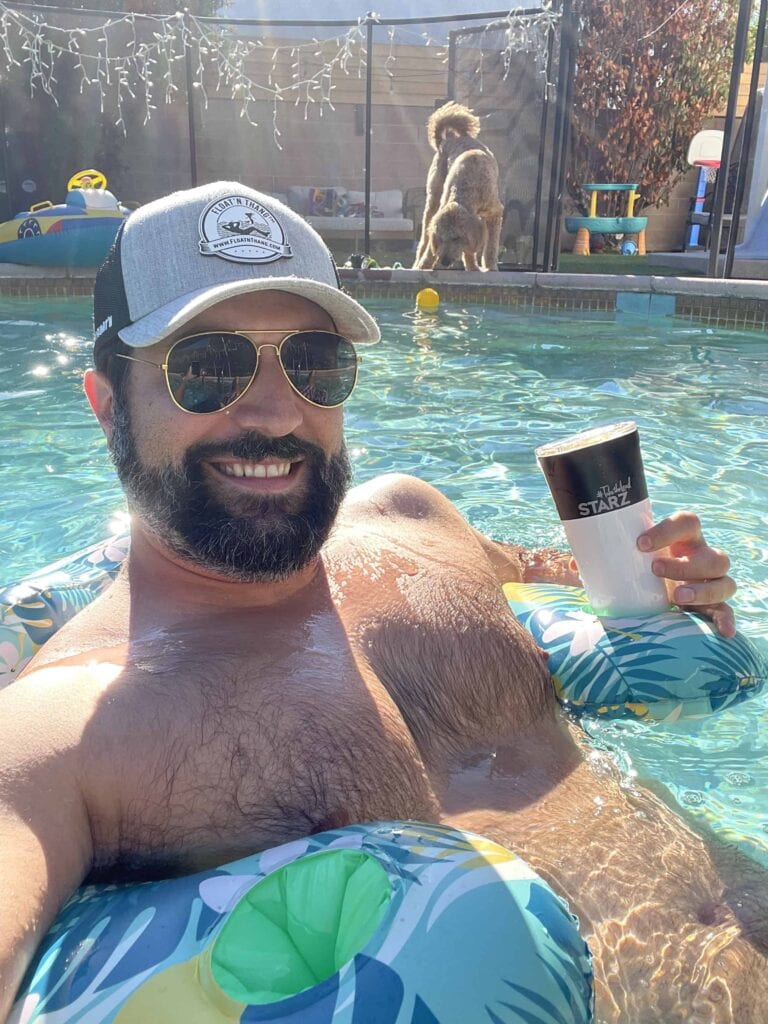
In a backyard pool, a supportive float can turn quick downtime into something you look forward to all week. In a lake setting, stability becomes even more important because conditions are less predictable than in a still pool. At a sandbar or calm beach area, support and comfort matter when you want to spend extended time in shallow water without standing the entire time.
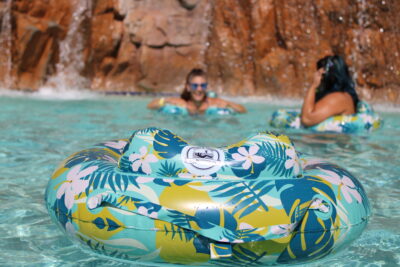
For boaters and paddle-board users, supportive flotation can also add flexibility to the day. Sometimes you want to swim. Sometimes you want to drift and rest. A float that feels comfortable for longer stretches gives you that option. That’s why the design of Float’n Thang® personal floats hits the target. Freedom of mobility is the experience that U-Shaped float design offers.
Hospitality buyers and event organizers are also paying more attention to this category. Guest comfort matters. A zero gravity feeling that people genuinely enjoy using does more for the experience than a generic inflatable tube or noodle that looks good in photos but feels forgettable after five minutes.
Supportive floating for older adults and mobility needs
This is one of the most meaningful parts of the conversation. Not every adult approaches the water with the same physical confidence, and not every float respects that reality.
For older adults or people with physical limitations, adult floating support can open the door to more comfortable water enjoyment under proper supervision. The goal is not to replace attentive care or water safety practices. The goal is to make the experience feel more accessible and less intimidating. See video testimonial of a user’s first experience.
A float that supports the head, neck, and body more evenly can help reduce the effort required to stay comfortable. That may allow someone to participate in family water time, enjoy gentle aquatic movement, or simply relax in a setting that would otherwise feel physically demanding.
Some users also explore supportive flotation as part of a broader wellness routine or supervised aquatic therapy setting. That does not mean every float is suited to every person or every use case. It depends on the individual, the environment, and the level of supervision available. But the demand is real because the right support can make the water feel welcoming again.
One size does not fit every floating need
This is where honesty matters. The best choice depends on how you plan to use it.
If you want something purely for short, playful pool sessions, a standard float may be enough. If your priority is longer comfort, easier entry, or low-impact support, you will likely want a more thoughtfully engineered design. If you need something travel-friendly, inflation and packability rise on the list. If the float will be used around older family members or in a wellness-focused setting, stability and support should come first.
A product that works beautifully in shallow, calm water may not be intended for rougher conditions. A float that feels great for lounging may not be the right tool for active exercise. Those trade-offs are normal. What matters is choosing with your actual use in mind, not just the marketing photo.
That is exactly why comfort-first flotation continues to stand out. FloatnThang built its approach around a zero-gravity feel, supportive positioning, and an easier, more enjoyable time on the water for adults who want more than a basic tube can offer.
The real value of better adult floating support
People remember how a float made them feel. If it pinched, tipped, or took too much effort, they remember that too. But when a float supports the body well, the experience changes. You stay out longer. You relax faster. You are more likely to share it with family, recommend it to a friend, or keep it ready for the next sunny day instead of stuffing it on a shelf.
That is the real standard adult floating support should meet. Not just staying afloat, but making the water feel easier, calmer, and a lot more enjoyable for more people. When comfort and support come first, floating stops being a compromise and starts feeling like the whole point.