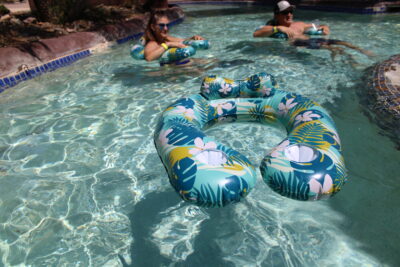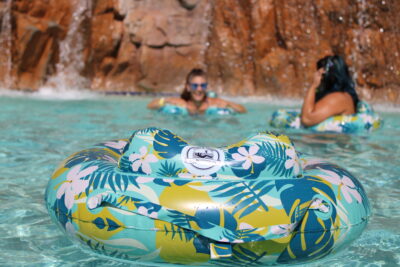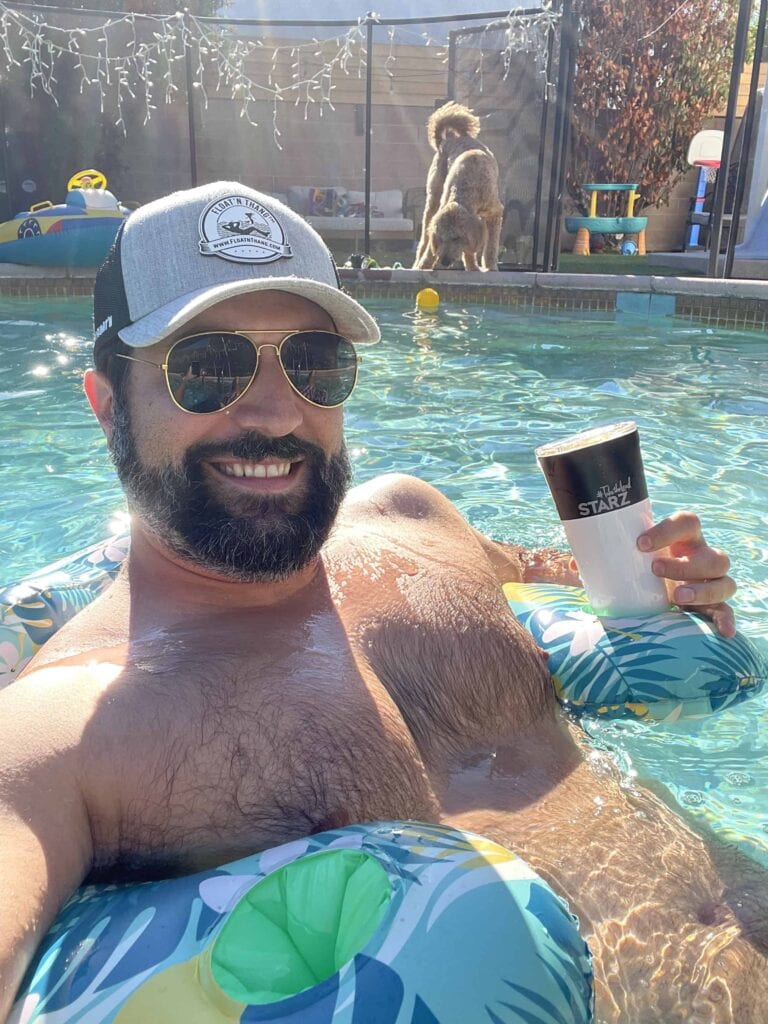

Shallow water sounds easy until you are half-sitting in a cheap tube, your legs are scraping the bottom, and getting on or off the float feels like a small wrestling match. That is exactly why finding the best float for shallow water is less about flashy colors and more about comfort, support, and how your body actually sits in the water.
Not every float is built for sandbars, pool tanning ledges, calm lake edges, or easy entry near shore. In shallow water, the wrong design gets awkward fast. A float that hangs you too low can drag. One that tips easily can feel unstable. And a basic ring might work for ten minutes, but it usually does not deliver the relaxed, weightless support most people are actually after.
What makes the best float for shallow water?
The short answer is body position. In shallow water, the best floats keep you supported without forcing too much of your body below the surface. They should help you feel lifted, balanced, and comfortable enough to stay put for a while, whether you are chatting at a sandbar, relaxing in a pool, or enjoying gentle movement during supervised water exercise.
That matters because shallow water changes the experience. In deeper water, you can get away with a float that lets your legs dangle. In shallow water, dangling often turns into bumping the bottom, bending awkwardly at the hips, or constantly readjusting. A better float supports more of your back, neck, and seat so the experience feels easy instead of fussy.
Comfort is the first test. If the seams dig in, the opening is too narrow, or your head has nowhere to rest, you will feel it quickly. The second test is stability. Shallow water is often social water, with kids playing nearby, people getting in and out, and small waves from movement. A float that rolls or shifts too much stops feeling relaxing. The third is access. If it is hard to mount, it is not especially useful for older adults, caregivers assisting someone else, or anyone who simply wants a more graceful way to get in and out.
Why standard tubes usually fall short
A classic tube is familiar, but familiar is not always comfortable. Most tubes are built around a single air chamber and a simple center opening. That design can work for quick fun, but it tends to concentrate pressure in the wrong places. Your lower back may round, your neck gets no support, and your legs often end up bent or dragging if the water is shallow.
There is also the issue of getting situated. With a standard tube, you often have to climb in, wiggle into place, and hope the balance feels right. For adults who want to truly relax, or for people who need more supportive flotation under supervision, that can be a deal breaker.
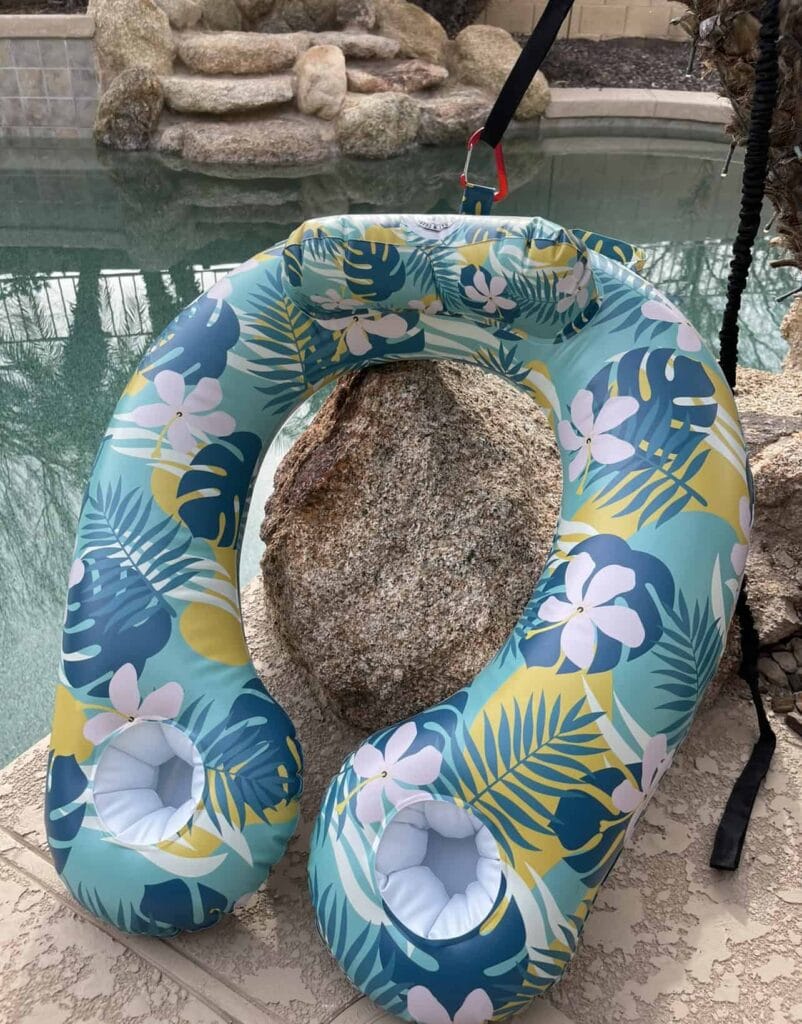
This is where design matters more than category. The best float for shallow water is rarely just any inflatable. It is usually a float with a more ergonomic shape, a supportive seating position, and thoughtful features that reduce strain rather than add to it.
The features that actually improve shallow-water floating
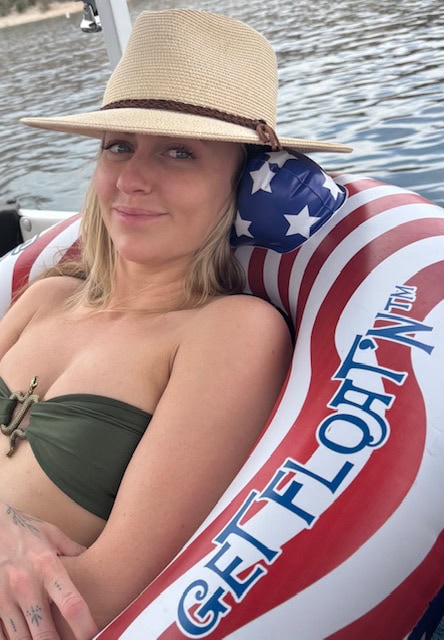
If you are comparing options, start with support points. A float that supports the head and neck changes everything. Instead of holding tension in your shoulders, you can actually let go. That is a big part of the zero-gravity feeling so many people want but do not get from bargain inflatables.
Next, look at how the float supports the torso and hips. Broader contact with the body usually feels more secure and balanced than a narrow ring. It can also reduce pressure points, which matters if you plan to float longer than a few minutes.
Material matters too. Durable vinyl or similarly sturdy construction tends to feel more substantial in the water. Thin plastic can be fine for a weekend toy, but if the goal is repeated use at the pool, lake, or beach, a stronger build is worth it.
Then there is ease of entry. In shallow water, people are constantly transitioning from standing to floating and back again. A float that accommodates that movement without tipping or twisting is a smarter choice for families, vacationers, and anyone using flotation as part of gentle aquatic activity.
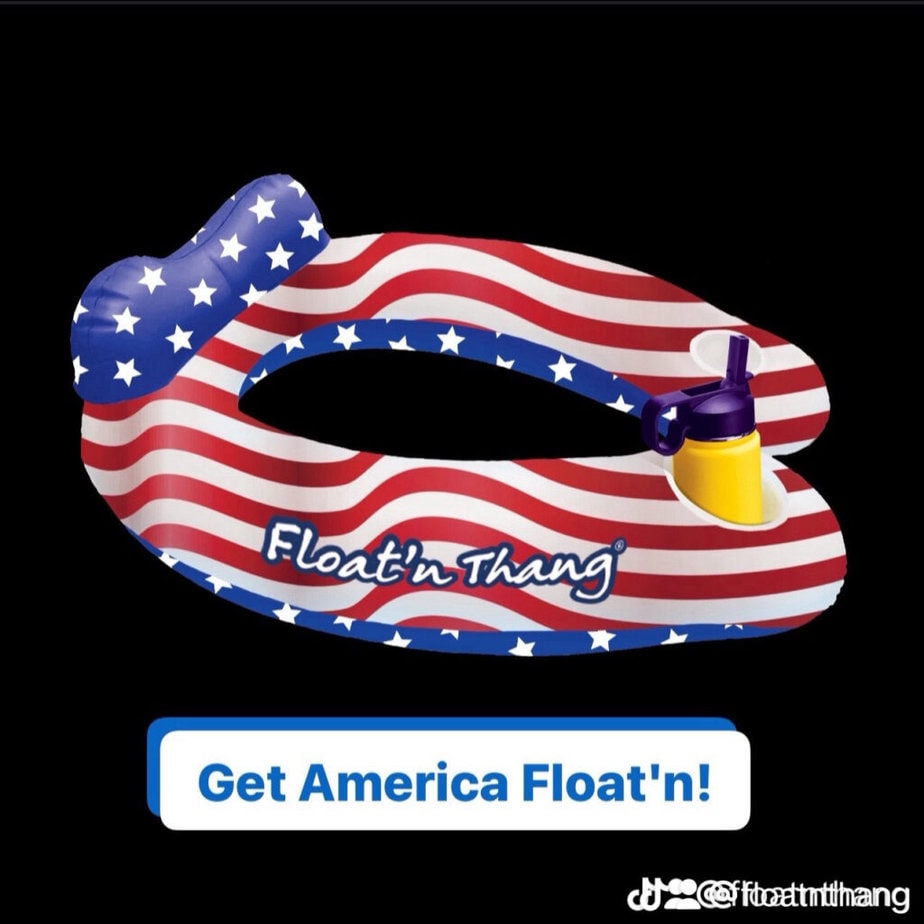
Convenience features are not just extras either. A built-in beverage holder may sound like a fun bonus, and it is, but it also signals that the float was designed for actual lounging rather than just basic buoyancy. The best products think about the whole experience.
Best float for shallow water at pools, lakes, and sandbars
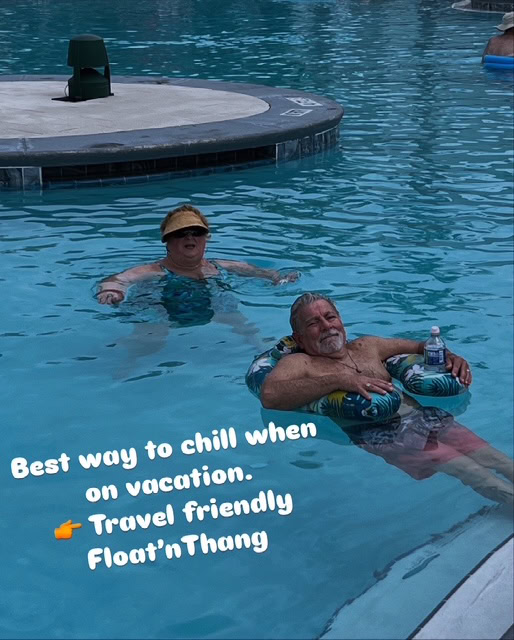
Different settings change what “best” means. At a pool, shallow water often means tanning ledges, walk-in entries, and social areas where you want to float without drifting too far or sitting too deep. A float with supportive balance and easy repositioning tends to work best here.
At a lake, the bottom may be uneven, and people often move between standing, wading, and floating. Stability matters more because the environment is less predictable. A float that cradles your body rather than perching you on top can feel far more
Can’t do that without the perfect floating pillow
secure.
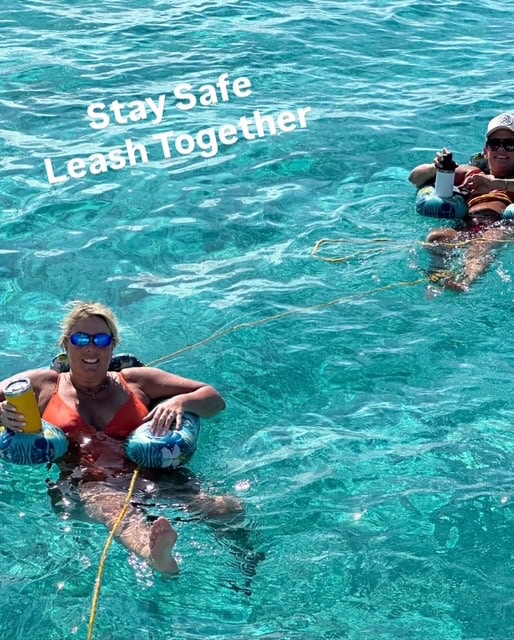
At a sandbar, comfort and access usually win. This is hangout water. People want to talk, sip a drink, and stay comfortable for a while. A float that keeps you semi-reclined with head support usually beats a basic tube every time.
That is one reason a more purpose-built design like the Zero Gravity Float™ stands out. Products designed specifically for a flexible, low-impact floating experience tend to suit shallow-water use better than generic inflatables that prioritize mass appeal over comfort.
Who benefits most from a supportive shallow-water float?
The obvious answer is anyone who likes being comfortable. But supportive flotation becomes especially valuable for adults who no longer enjoy the squeeze and wobble of standard pool toys, families looking for a better shared experience around the water, and gift buyers who want something that feels a little more thoughtful than another generic raft.
It also matters for older adults and people with physical limitations who enjoy supervised water time. Shallow water can feel more approachable than deep water, but that does not mean every float is a good fit. Better support at the head, neck, and body can make the experience feel calmer, safer, and more enjoyable when used appropriately and under supervision.
That wellness angle is often overlooked. Floating is not only about fun, though fun absolutely matters. For some people, it is about reducing pressure, enjoying gentle movement, or finding a more relaxed way to spend time in the water without strain.
When a float is not the right fit
There is no single perfect option for every person or every setting. If someone wants to actively swim, tow behind a boat, or use a float in rough conditions, a shallow-water comfort float is not the answer. These products are made for calm water, relaxation, and supported lounging.
It also depends on body size, mobility, and intended use. Some people want a more upright sit. Others want a more reclined, weightless feel. A caregiver helping a loved one into a float may prioritize access and stability above all else. A vacationer may care most about portability and comfort. The right choice comes from matching the design to the moment.
What to look for before you buy
Instead of shopping by price alone, pay attention to how the float positions the body. Look closely at whether it supports the head and neck, whether the seat area appears balanced, and whether the shape suggests easy entry and exit. If the product photos only show teenagers balancing on it for a quick snapshot, that tells you something.
Also think about where it will live. If you want something for travel, lighter inflatable construction helps. If it will see heavy rotation at the pool, lake house, or hospitality property, durability and repeat comfort become more important.
A strong example of this more thoughtful approach is FloatnThang ZeroGravity Float, which was built around comfort, shallow-water use, and a more supportive floating position rather than the usual one-hole tube design. That difference shows up in the experience. You are not just staying afloat. You are settling in.
The real test of the best float for shallow water
The best choice should make you forget about the float itself. You should not be adjusting every minute, bracing your neck, or wondering how you are going to get out without a splashy struggle. You should feel supported, light, and comfortable enough to stay present for the moment, whether that means laughing with family at the sandbar or enjoying a quiet stretch of stress-free floating.
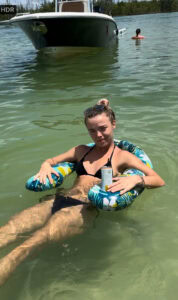
Ideal for sandbar shallow water relaxation.
Shallow water can be the sweetest spot for relaxation because it feels accessible, social, and easy. The right float keeps it that way. If a product gives you support instead of strain and comfort instead of compromise, you are already much closer to the experience you were hoping for when you went looking in the first place.
The best shallow-water float is the one that lets more people enjoy the water with less effort and a lot more comfort, and that is a pretty good standard to float by.